- Manufacturing & Quality
From grain to goodness, one checkpoint at a time.
A look inside how the atta is actually made — and where the quality decisions are taken.
- Process Timeline
Seven stages
Nothing here is decorative. Each stage exists because skipping it shows up in the roti.
- 01
Wheat Selection
Grain is sourced and assessed for size, moisture and consistency before it enters the mill.
- 02
Cleaning
Destoning, sieving and de-dusting remove foreign matter and light impurities.
- 03
Quality Inspection
Each lot is checked against internal parameters before it is cleared for milling.
- 04
Chakki Milling
Slow stone-style grinding retains the wheat’s natural aroma and gives atta its warm character.
- 05
Quality Testing
Texture and consistency checks are carried out through the run, not only at the end.
- 06
Hygienic Packaging
Weighed, sealed and coded in a controlled packing area for retail-ready presentation.
- 07
Distribution
Packed stock is stored and dispatched to wholesalers, retailers and commercial buyers.
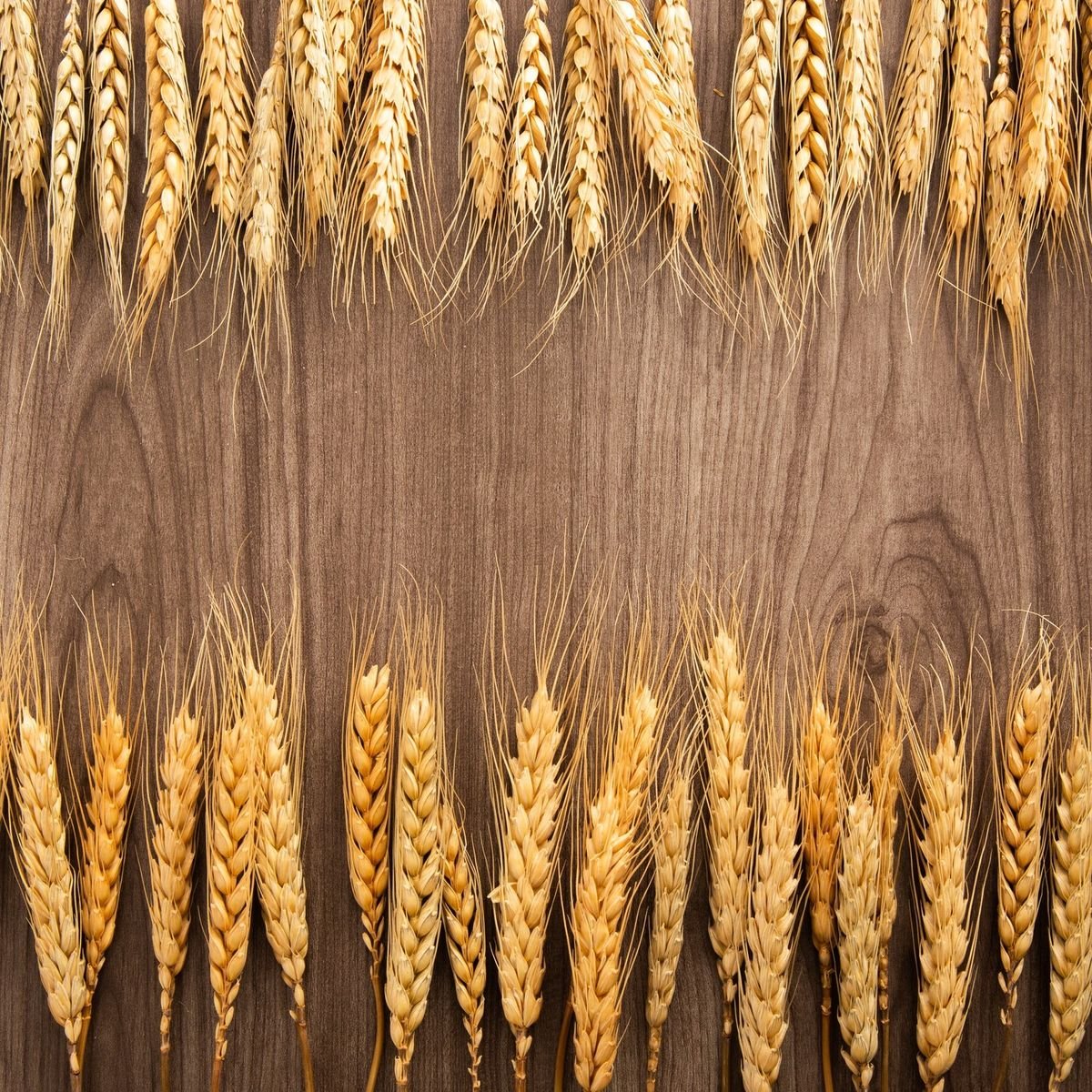
- Stage 01
Wheat Selection
Incoming lots are assessed for grain size, moisture and uniformity. Wheat that falls outside internal parameters does not enter the mill.
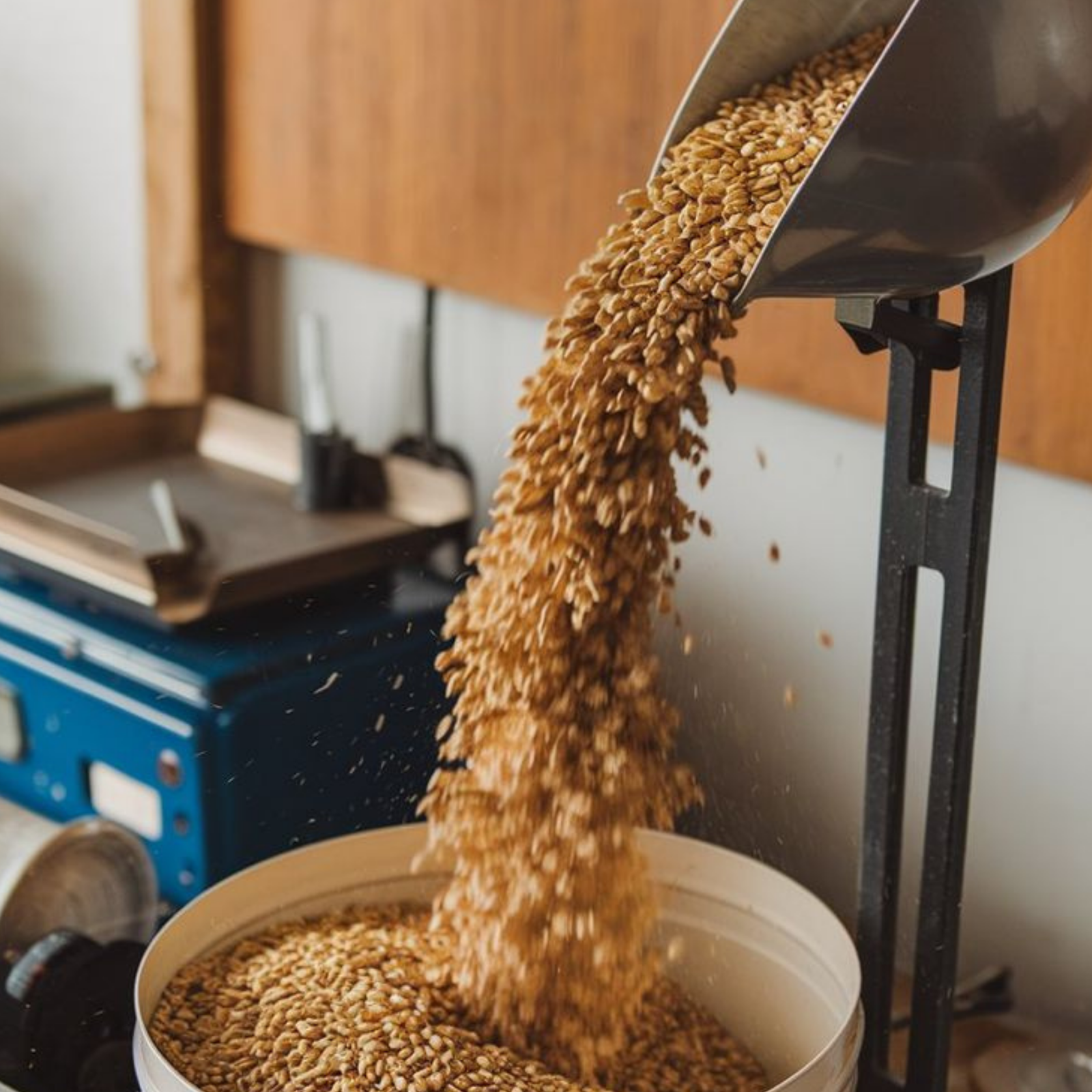
- Stage 02
Cleaning
Destoning, sieving and de-dusting remove stones, husk, chaff and light impurities before grinding begins.
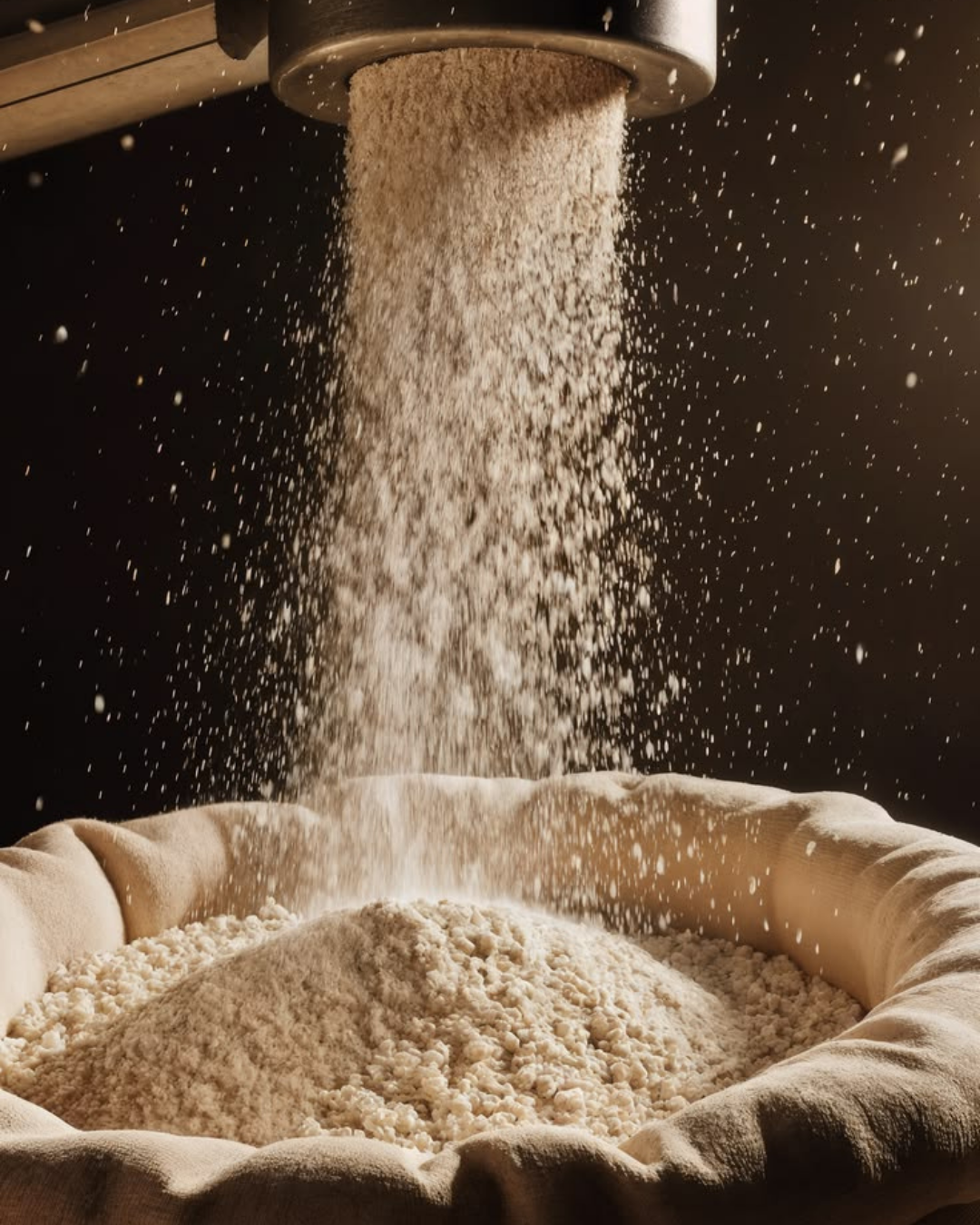
- Stage 03
Processing & Chakki Milling
Slow stone-style grinding keeps heat low, which is what preserves the natural wheat aroma and gives chakki atta its character.

- Stage 04
Quality Control
Texture and consistency are verified through the production run. Deviations are corrected during milling, not discovered afterwards.
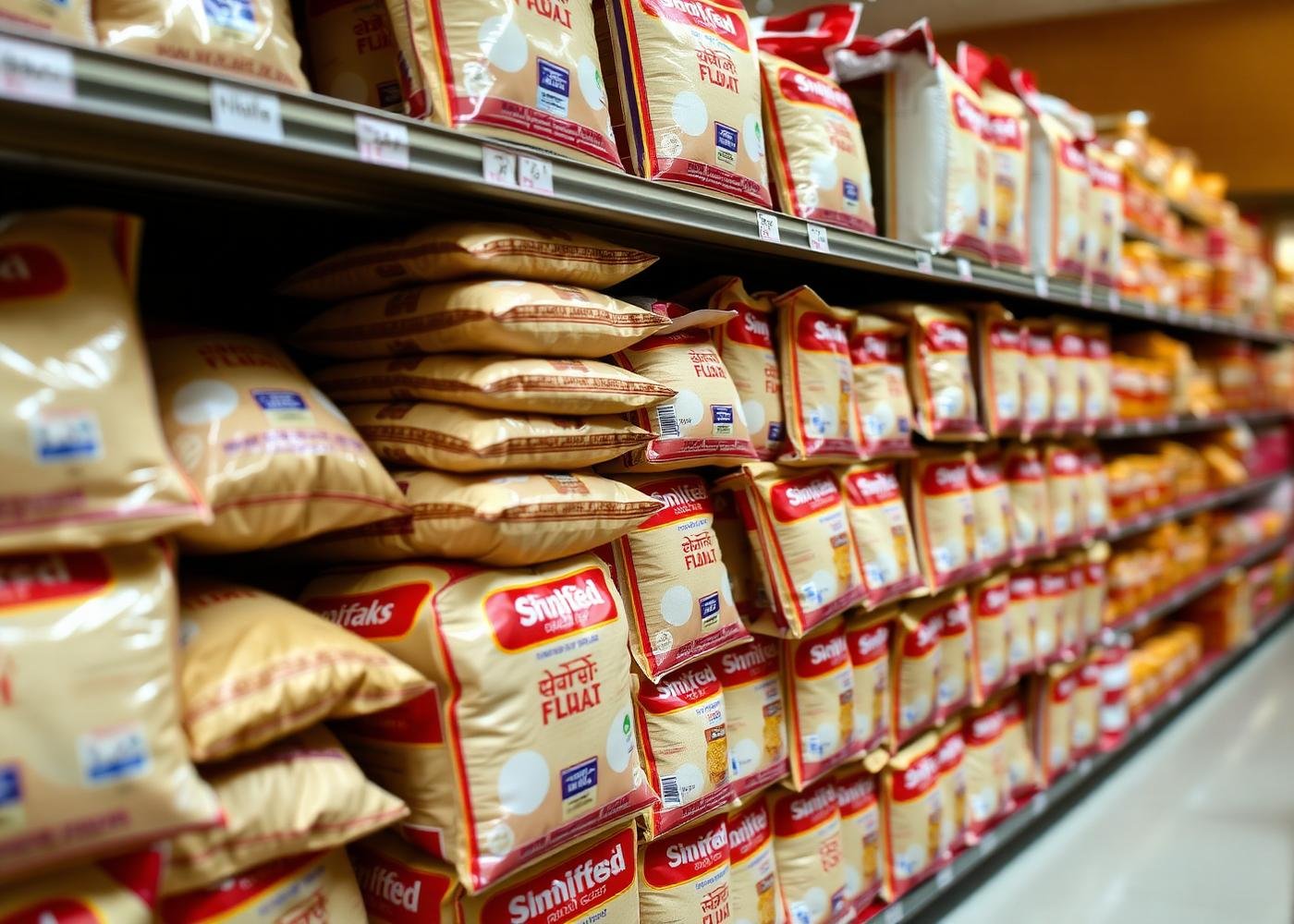
- Stage 05
Packaging
Atta is weighed, sealed and coded in a controlled packing area, in 5 KG, 10 KG and 26 KG retail-ready formats.
- Stage 06
Storage & Dispatch
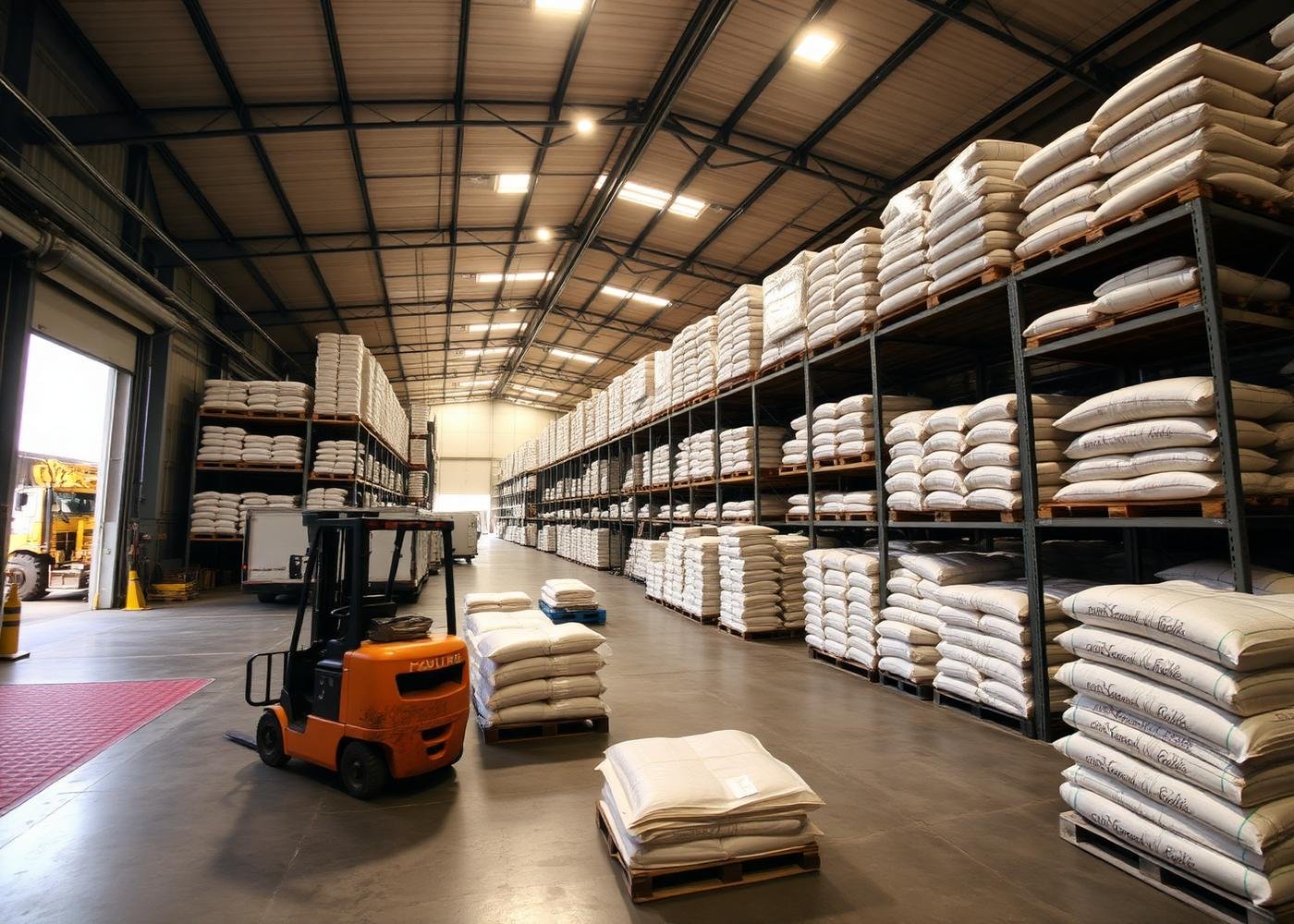
Finished stock is stored off the floor in a dry area and dispatched on a planned schedule to wholesale, retail and commercial buyers.
- Note
Plant photography
The images on this page represent the process. Client-specific factory photography will replace them once provided.